🧠 Why Start with Hiragana and Katakana?
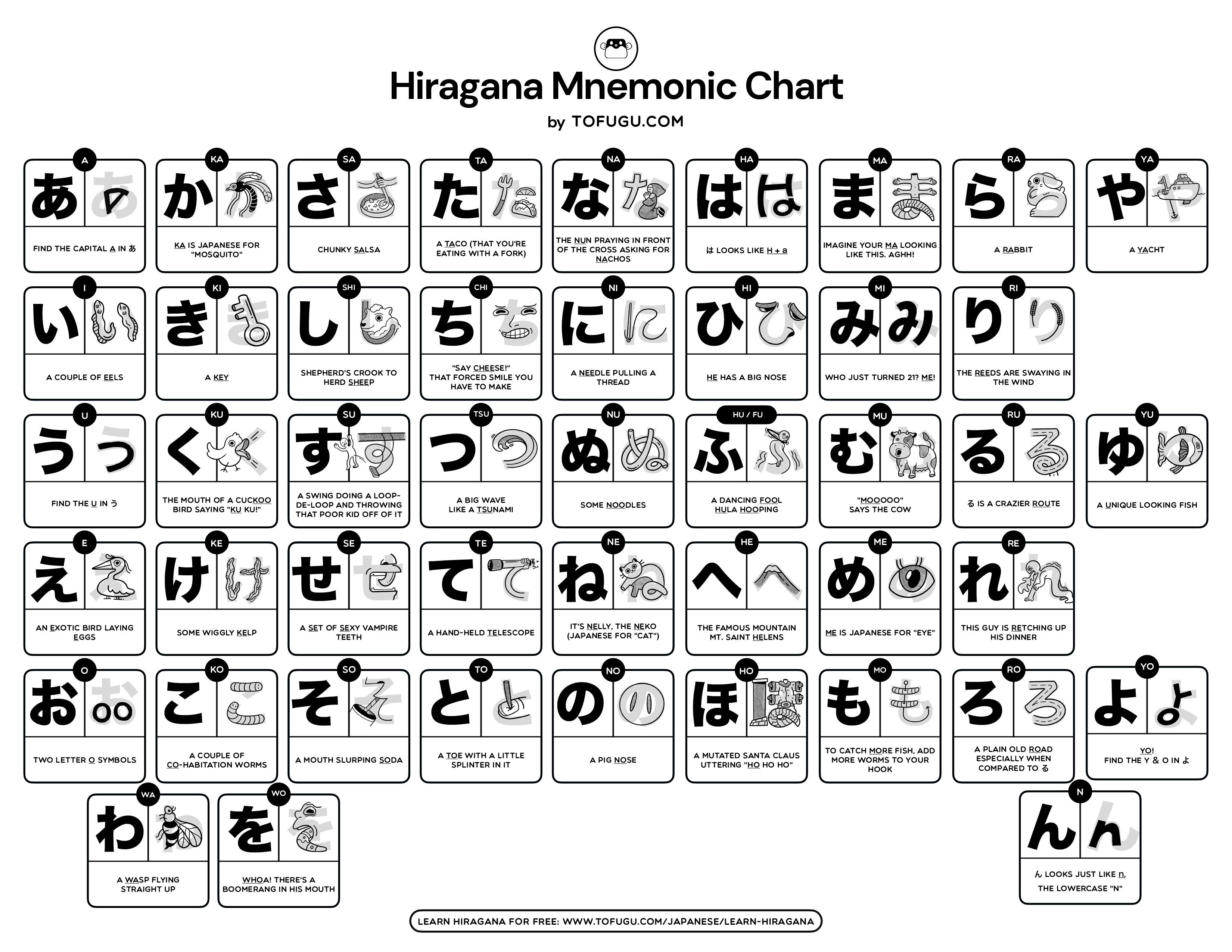
Hiragana (ひらがな): Soft, curvy characters used for native Japanese words and grammar particles. Example: たべます (tabemasu – to eat)
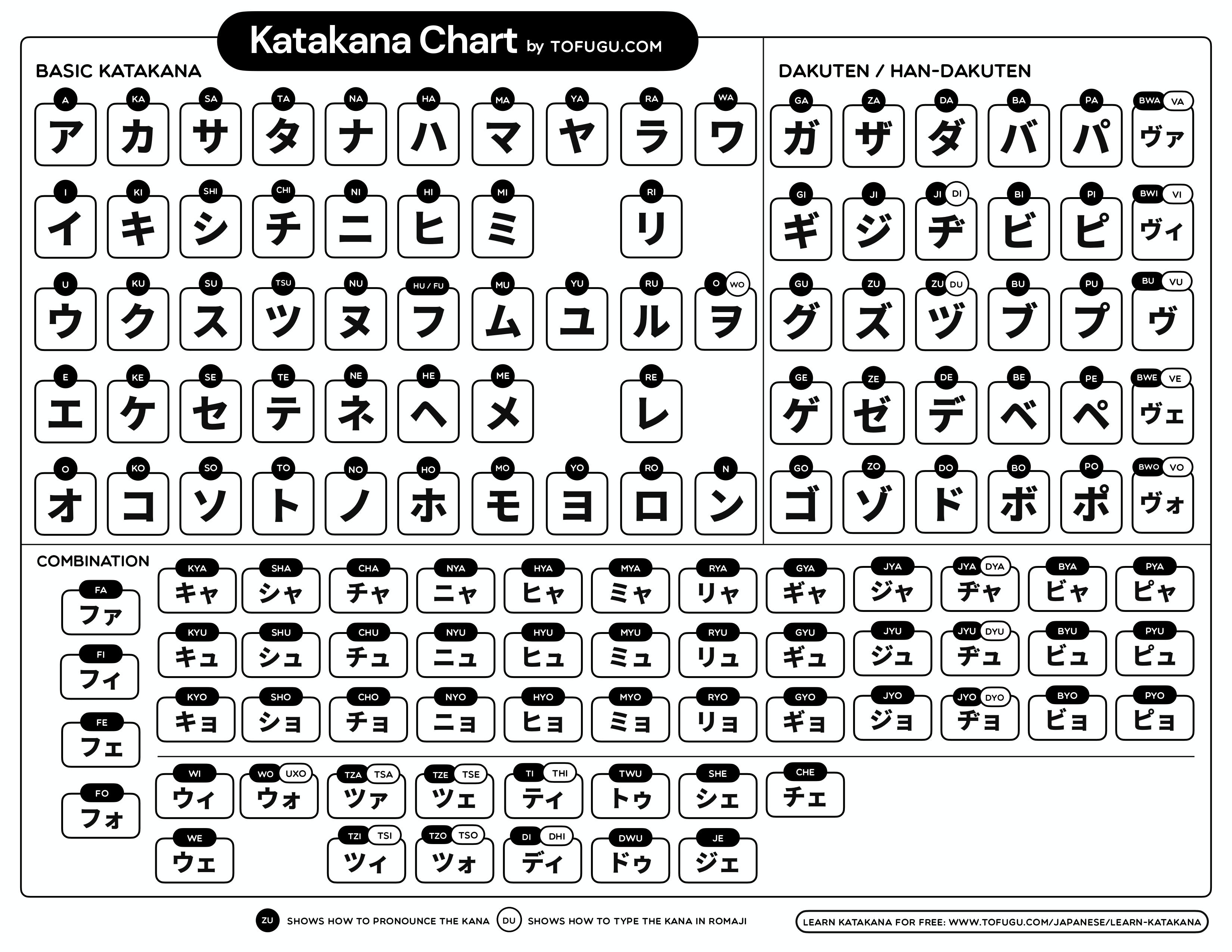
Katakana (カタカナ): Sharp, angular characters used for foreign words, names, and technical terms. Example: パイプ (paipu – pipe)
“Before you can speak like a dreamer, you need to write like one.”
What to expect:
46 basic characters (plus a few variations)
Sounds that match Filipino syllables more than English ones (like ka, sa, ta)
A rhythm that feels familiar once you get the hang of it
📚 How to Learn Them
1. Start with Hiragana Chart
Practice writing each character slowly. Use mnemonics or stroke guides.
Example: あ (a) looks like an apple with a stem.

2. Move to Katakana
Focus on pronunciation and recognition.
Example: ア (a) is the katakana version—more angular.

Link: katakana-chart-by-tofugu.jpg (3300×2550)
3. Use Flashcards or Apps
Try apps like LingoDeer, Kana Town, Doulingo, or printable flashcards.
4. Practice with Your Name
Write your name in katakana: ジエッザ (Jiezza)
Jiezza’s gentle reminder: Don’t rush. Hiragana & Katakana isn’t just a hurdle—it’s a ritual. Let your hand memorize the curves. Let your ears fall in love with the sounds. You’re not just learning a script—you’re meeting the soul of the language.

No comments:
Post a Comment