Thursday, August 28, 2025

๐Ÿงด Baby Oil vs. ๐Ÿฅฅ Virgin Coconut Oil: Which Works Better for Your Scalp?

When it comes to scalp care, not all oils are created equal. Two common options—Johnson’s Baby Oil and Virgin Coconut Oil—offer very different benefits. Here’s a straightforward comparison to help you decide which one suits your needs.

Johnson’s Baby Oil: Surface-Level Moisture

  • Main Ingredient: Mineral oil

  • Function: Seals in moisture but doesn’t penetrate deeply

  • Pros:

    • Lightweight and easy to apply

    • Fragrance-free and gentle on sensitive skin

    • Helps reduce flakiness temporarily

  • Cons:

    • No nutrients for scalp or hair

    • Can cause buildup if not rinsed thoroughly

    • Doesn’t treat dandruff or scalp irritation

Baby oil is best used for short-term relief or light scalp massages. It’s safe and simple but not designed for long-term scalp health.

Virgin Coconut Oil: Deep Nourishment

  • Main Ingredient: Natural coconut extract

  • Function: Moisturizes, nourishes, and protects

  • Pros:

    • Rich in lauric acid and antioxidants

    • Antimicrobial properties help fight dandruff

    • Penetrates hair shaft and strengthens roots

  • Cons:

    • Thicker texture may feel heavy on fine hair

    • Has a distinct scent that not everyone prefers

Coconut oil is ideal for treating dryness, itchiness, and weak hair. It supports long-term scalp health and is especially effective when used consistently.

Final Recommendation

  • Use baby oil for quick moisture and gentle care.

  • Choose coconut oil for deeper treatment and lasting benefits.

Tuesday, August 19, 2025

๐Ÿง  Lesson 13: Verbal Nouns — When Words Bloom into Action

 In Japanese, some nouns don’t just sit still—they move. They stretch, act, and bloom when paired with ใ—ใพใ™, the polite form of the verb ใ™ใ‚‹ (to do). These are called verbal nouns or suru-verbs, and they’re everywhere—from textbooks to daily chats.

๐ŸŒผ What’s Happening Here?

Think of it like this:

  • The noun is the seed.

  • ใ—ใพใ™ is the sunlight.

  • Together, they grow into a verb.

This pattern is especially useful for beginners, because it lets you express actions without memorizing dozens of verb conjugations.

๐ŸŒธ Examples That Move

Noun    Meaning    Verb (ใ—ใพใ™-form)Meaning
ๅ‹‰ๅผท (ในใ‚“ใใ‚‡ใ†)    study    ๅ‹‰ๅผทใ—ใพใ™I study / will study
้‹ๅ‹• (ใ†ใ‚“ใฉใ†)    exercise    ้‹ๅ‹•ใ—ใพใ™I exercise
ๆ–™็† (ใ‚Šใ‚‡ใ†ใ‚Š)    cooking    ๆ–™็†ใ—ใพใ™I cook
ๆ•ฃๆญฉ (ใ•ใ‚“ใฝ)    walk    ๆ•ฃๆญฉใ—ใพใ™I take a walk
็ทด็ฟ’ (ใ‚Œใ‚“ใ—ใ‚…ใ†)    practice    ็ทด็ฟ’ใ—ใพใ™I practice
ไป•ไบ‹ (ใ—ใ”ใจ)    work    ไป•ไบ‹ใ—ใพใ™I work
ๆด—ๆฟฏ (ใ›ใ‚“ใŸใ)    laundry    ๆด—ๆฟฏใ—ใพใ™I do laundry
่ฒทใ„็‰ฉ (ใ‹ใ„ใ‚‚ใฎ)    shopping    ่ฒทใ„็‰ฉใ—ใพใ™I shop

๐Ÿƒ Sentence Petals

  • ใ‚ใŸใ—ใฏๅ‹‰ๅผทใ—ใพใ™Watashi wa benkyou shimasu. — I study.

  • ใ‹ใ‚Œใฏๆ–™็†ใ—ใพใ™Kare wa ryouri shimasu. — He cooks.

  • ใ‚ใ—ใŸ、่ฒทใ„็‰ฉใ—ใพใ™Ashita, kaimono shimasu. — I’ll go shopping tomorrow.

๐ŸŒป Jiezza’s Teaching Touch

“In Japanese, even nouns can move. Add ใ—ใพใ™, and they bloom into action.”

๐Ÿง  Lesson 12: Verbs — Grouping the Movers, Noticing the Rebels

 ๐Ÿƒ Introduction

Verbs are the heartbeat of Japanese sentences. They tell us what’s happening, who’s doing it, and how it unfolds. But before we sprint into conjugation, we need to know what kind of shoes our verbs are wearing.

๐Ÿชด The Three Verb Groups

GroupDescriptionExamples
Group 1 (Godan)     Most common. Ends in u-sound (ใ†, ใ, ใ™, ใค, ใฌ, ใถ, ใ‚€, ใ‚‹). Conjugation changes the final syllable.                                                        ๆ›ธใ (kaku – to write), ่ฉฑใ™ (hanasu – to speak), ้ฃฒใ‚€ (nomu – to drink)
Group 2 (Ichidan)    Ends in ใ‚‹, but the stem stays the same when conjugated. Easy to spot when the syllable before ใ‚‹ ends in an e or i sound.                           ้ฃŸในใ‚‹ (taberu – to eat), ่ฆ‹ใ‚‹ (miru – to see)
Group 3 (Irregular)        Only two main verbs here. They break the rules, but they’re essential.                                    ใ™ใ‚‹ (suru – to do), ๆฅใ‚‹ (kuru – to come)

๐ŸŒฑ How to Spot the Difference

  • Ends in ใ‚‹ + preceded by e/i → likely Group 2

  • Ends in ใ‚‹ + preceded by a/o/u → likely Group 1

  • Doesn’t end in ใ‚‹ → usually Group 1

  • Is ใ™ใ‚‹ or ๆฅใ‚‹ → Group 3

๐Ÿง  Japanese Verb Groups with ใพใ™-Form

๐Ÿชด Group 1 — Godan Verbs (ไบ”ๆฎตๅ‹•่ฉž)

These verbs change their final syllable when conjugated. The stem shifts before adding ใพใ™.

Verb        Romaji        Meaningใพใ™-form
ๆ›ธใ        kaku        to write        ๆ›ธใใพใ™ (kakimasu)
่ฉฑใ™       hanasu        to speak        ่ฉฑใ—ใพใ™ (hanashimasu)
้ฃฒใ‚€       nomu        to drink        ้ฃฒใฟใพใ™ (nomimasu)
ๅพ…ใค        matsu        to wait        ๅพ…ใกใพใ™ (machimasu)
ๆญฉใ        aruku           to walk        ๆญฉใใพใ™ (arukimasu)
ๆณณใ        oyogu        to swim        ๆณณใŽใพใ™ (oyogimasu)
ๆญปใฌ        shinu        to die        ๆญปใซใพใ™ (shinimasu)
้Šใถ        asobu        to play        ้Šใณใพใ™ (asobimasu)
่ชญใ‚€        yomu        to read        ่ชญใฟใพใ™ (yomimasu)
่ฒทใ†        kau        to buy        ่ฒทใ„ใพใ™ (kaimasu)
็ซ‹ใค        tatsu        to stand        ็ซ‹ใกใพใ™ (tachimasu)
ไฝœใ‚‹        tsukuru        to make        ไฝœใ‚Šใพใ™ (tsukurimasu)
่ฉฑใ™hanasu        to speak    ่ฉฑใ—ใพใ™ (hanashimasu)
่žใkiku        to listen    ่žใใพใ™ (kikimasu)
ไฝฟใ†tsukau        to use    ไฝฟใ„ใพใ™ (tsukaimasu)
ๆ›ธใๅ–ใ‚‹kakitoru        to transcribe    ๆ›ธใๅ–ใ‚Šใพใ™ (kakitorimasu)

๐ŸŒฑ Group 2 — Ichidan Verbs (ไธ€ๆฎตๅ‹•่ฉž)

These verbs keep their stem and simply add ใพใ™.

Verb        Romaji        Meaningใพใ™-form
้ฃŸในใ‚‹        taberu        to eat               ้ฃŸในใพใ™ (tabemasu)
่ฆ‹ใ‚‹        miru        to see               ่ฆ‹ใพใ™ (mimasu)
ๅฏใ‚‹        neru        to sleep               ๅฏใพใ™ (nemasu)
่ตทใใ‚‹        okiru        to wake up               ่ตทใใพใ™ (okimasu)
ๆ•™ใˆใ‚‹        oshieru        to teach               ๆ•™ใˆใพใ™ (oshiemasu)
้–‹ใ‘ใ‚‹        akeru        to open               ้–‹ใ‘ใพใ™ (akemasu)
้–‰ใ‚ใ‚‹        shimeru        to close               ้–‰ใ‚ใพใ™ (shimemasu)
ๅ€Ÿใ‚Šใ‚‹        kariru        to borrow               ๅ€Ÿใ‚Šใพใ™ (karimasu)
้™ใ‚Šใ‚‹        oriru        to get off               ้™ใ‚Šใพใ™ (orimasu)
ๅ‡บใ‚‹        deru        to leave              ๅ‡บใพใ™ (demasu)
็€ใ‚‹        kiru        to wear    ็€ใพใ™ (kimasu)
ไฟกใ˜ใ‚‹        shinjiru        to believe    ไฟกใ˜ใพใ™ (shinjimasu)
่ตทใ“ใ™        okosu        to wake someone    ่ตทใ“ใ—ใพใ™ (okoshimasu)

⚠️ Group 1 Exceptions (Look Like Ichidan but Aren’t)

Verb        Romaji        Meaningใพใ™-form
่ตฐใ‚‹        hashiru        to run        ่ตฐใ‚Šใพใ™ (hashirimasu)
ๅธฐใ‚‹        kaeru        to return        ๅธฐใ‚Šใพใ™ (kaerimasu)
ๅˆ‡ใ‚‹        kiru        to cut        ๅˆ‡ใ‚Šใพใ™ (kirimasu)
ๅ…ฅใ‚‹        hairu        to enter        ๅ…ฅใ‚Šใพใ™ (hairimasu)
่ฆใ‚‹        iru        to need        ่ฆใ‚Šใพใ™ (irimasu)
็Ÿฅใ‚‹        shiru        to know        ็Ÿฅใ‚Šใพใ™ (shirimasu)
ๆธ›ใ‚‹        heru           to decrease    ๆธ›ใ‚Šใพใ™ (herimasu)
้™ใ‚‹        kagiru           to limit    ้™ใ‚Šใพใ™ (kagirimasu)

These are the trickster petals—look soft but bend like Godan verbs.


๐ŸŒŸ Group 3 — Irregular Verbs

Verb        Romaji        Meaningใพใ™-form
ใ™ใ‚‹        suru        to do        ใ—ใพใ™ (shimasu)
ๆฅใ‚‹        kuru        to come        ๆฅใพใ™ (kimasu)

Think of these as wild daisies—beautiful, unpredictable, and everywhere.


๐Ÿต Jiezza’s Reminder

“Verbs move the story. But exceptions remind us: even in grammar, not everything fits neatly. Learn the rules, then honor the rebels.”

๐Ÿง  Lesson 11: Reflections — Using ใงใ™ and ใ  to Define and Describe

 “To say what something is… is to hold it gently in language.”

๐ŸŒผ What Are ใงใ™ and ใ ?

In Japanese, ใงใ™ (desu) and ใ  (da) are like mirrors. They reflect identity, state, and description. They don’t translate directly to “is” or “are,” but they serve a similar purpose.

FormUsageTone
ใงใ™PoliteUsed in formal or respectful settings
ใ PlainUsed in casual or intimate settings

Think of ใงใ™ as the soft light in a quiet cafรฉ, and ใ  as the sunlight on your porch with close friends.

๐ŸŒฑ Sentence Structure: Planting Identity

Japanese often follows this pattern:

[Topic/Subject] + ใฏ + [Description] + ใงใ™/ใ 

Examples:

  • ใ‚ใŸใ—ใฏๅญฆ็”Ÿใงใ™。(Watashi wa gakusei desu.) — I am a student.

  • ๅฝผใฏๅ…ˆ็”Ÿใ 。(Kare wa sensei da.) — He is a teacher.

Notice how the verb “to be” isn’t a separate word—it’s embedded in ใงใ™ or ใ .

๐ŸŒฑ What “Embedded” Means in This Context

In English, we say:

  • “I am a student.” Here, am is the verb “to be.” It stands alone and changes depending on the subject: am, is, are, was, etc.

But in Japanese:

  • ใ‚ใŸใ—ใฏๅญฆ็”Ÿใงใ™。(Watashi wa gakusei desu.)

  • ๅฝผใฏๅ…ˆ็”Ÿใ 。(Kare wa sensei da.)

There’s no separate word for “am” or “is.” Instead, ใงใ™ and ใ  carry that meaning. They’re not standalone verbs like in English—they’re more like grammatical endings that reflect state or identity.

So when I say “embedded,” I mean:

The idea of “being” is tucked inside ใงใ™ or ใ . You don’t need a separate verb—it’s already there.

๐ŸŒธ Describing Things: Petals of Meaning

Use ใงใ™ and ใ  to describe qualities, roles, or identities.

  • ใ“ใฎๆœฌใฏ้ข็™ฝใ„ใงใ™。(Kono hon wa omoshiroi desu.) — This book is interesting.

  • ใ‚ใฎไบบใฏ้™ใ‹ใ 。(Ano hito wa shizuka da.) — That person is quiet.

Adjectives ending in ใ„ (like ้ข็™ฝใ„) pair naturally with ใงใ™. Na-adjectives (like ้™ใ‹) need ใ  or ใงใ™ to complete the sentence.

๐Ÿชž Reflection Prompt: Who Are You in Japanese?

Try writing a few gentle self-introductions using ใงใ™ (desu) or ใ  (da). These phrases help you express identity, hobbies, and preferences—like petals revealing who you are.

๐ŸŒผ Basic Forms

  • ใ‚ใŸใ—ใฏ____ใงใ™。 

        Watashi wa ______ desu. 
         → I am ______.

  • ใ‚ใŸใ—ใฎ่ถฃๅ‘ณใฏ____ใงใ™。 

        Watashi no shumi wa ______ desu. 
         → My hobby is ______.

  • ใ‚ใŸใ—ใฏ____ใŒๅฅฝใใงใ™。 

        Watashi wa ______ ga suki desu. 
         → I like ______.

Examples:

  • ใ‚ใŸใ—ใฏ็ฟป่จณ่€…ใงใ™。 

        Watashi wa hon’yakusha desu. 
        — I am a translator.
  • ใ‚ใŸใ—ใฎ่ถฃๅ‘ณใฏ่ฉฉใ‚’ๆ›ธใใ“ใจใงใ™。 

       Watashi no shumi wa shi o kaku koto desu. 
        — My hobby is writing poetry.
  • ใ‚ใŸใ—ใฏๆธฉใ‹ใ„ใ‚ณใƒผใƒ’ใƒผใŒๅฅฝใใงใ™。 

       Watashi wa atatakai kลhฤซ ga suki desu. 
        — I like warm coffee.

๐ŸŒฟ Jiezza’s Reminder

“You don’t need to rush to become fluent. You only need to be honest in how you learn. Every ‘ใงใ™’ you whisper, every ‘ใ ’ you write— is a small act of self-definition. And that is enough.”

Friday, August 15, 2025

๐Ÿง  Lesson 10: Particles — The Petals That Hold Meaning

 How Tiny Words Like 「ใฏ」「ใŒ」「ใ‚’」「ใซ」 Shape Every Japanese Sentence


๐ŸŒผ What Are Particles?

Particles are small words that follow nouns, pronouns, or phrases to show their role in a sentence. Think of them as petals—they don’t bloom alone, but they give structure and beauty to the whole flower.

๐ŸŒธ Core Particles You’ll Meet First

ParticleRoleExampleMeaning
ใฏ (wa)Topic markerใ‚ใŸใ—ใฏ ใŒใใ›ใ„ใงใ™。As for me, I’m a student.
ใŒSubject marker (emphasizes who/what does something)ใ›ใ‚“ใ›ใ„ใŒ ใใพใ—ใŸ。The teacher came.
ใ‚’ (o)Direct object markerใƒ‘ใƒณใ‚’ ใŸในใพใ™。I eat bread.
ใซTime or destination marker๏ผ’ๆ™‚ใซ ใŠใ‚ใ‚Šใพใ™。It ends at 2 o’clock.
ใธ (e)Direction marker (like “toward”)ใŒใฃใ“ใ†ใธ ใ„ใใพใ™。I go to school.
ใงLocation of actionใƒฌใ‚นใƒˆใƒฉใƒณใง ใŸในใพใ™。I eat at a restaurant.
ใจ“With” or “and”ใจใ‚‚ใ ใกใจ ใฏใชใ—ใพใ™。I talk with my friend.
ใ‚‚“Also” or “too”ใ‚ใŸใ—ใ‚‚ ใŒใใ›ใ„ใงใ™。I’m a student too.
ใ‹ใ‚‰“From”ใƒ•ใ‚ฃใƒชใƒ”ใƒณใ‹ใ‚‰ ใใพใ—ใŸ。I came from the Philippines.
ใพใง“Until”๏ผ•ๆ™‚ใพใง ในใ‚“ใใ‚‡ใ†ใ—ใพใ™。I study until 5 o’clock.

๐Ÿชž Jiezza’s Reminder:

Particles may look small, but they do a lot of work. They tell us what the sentence is really about, who’s doing what, and when or where things happen. You don’t need to memorize everything at once. Just notice how they’re used, and try using one or two in your own sentences. Mistakes are part of learning.

๐Ÿง  Lesson 9: ใ“ใใ‚ใฉ Words — Pointing with Purpose

 In Japanese, there’s a special group of words called ใ“ใใ‚ใฉ—used to point, refer, and ask about things based on location and context. They’re short, versatile, and essential for everyday conversation.

This lesson introduces all four forms:

  • Noun form (ใ“ใ‚Œ, ใใ‚Œ, ใ‚ใ‚Œ, ใฉใ‚Œ)

  • Adjective form (ใ“ใฎ, ใใฎ, ใ‚ใฎ, ใฉใฎ)

  • Place form (ใ“ใ“, ใใ“, ใ‚ใใ“, ใฉใ“)

  • Direction form (ใ“ใกใ‚‰, ใใกใ‚‰, ใ‚ใกใ‚‰, ใฉใกใ‚‰)

๐ŸŒธ Noun Form — “This / That / Which (thing)”

Japanese        RomajiMeaning
ใ“ใ‚Œ        kore        this (near speaker)
ใใ‚Œ        sore        that (near listener)
ใ‚ใ‚Œ        are        that (far from both)
ใฉใ‚Œ        dore        which one?

Example

ใ“ใ‚Œใฏ ใ”ใฏใ‚“ ใงใ™。(This is rice.

ใใ‚Œใฏ ใใ‚‹ใพ ใงใ™。(That is a car.)

๐ŸŒผ Adjective Form — “This / That / Which [noun]”

Japanese        RomajiMeaning
ใ“ใฎ        kono        this [noun]
ใใฎ        sono        that [noun]
ใ‚ใฎ        ano        that [noun] (far)
ใฉใฎ        dono              which [noun]?

Example

ใ“ใฎ ใปใ‚“ ใฏ ใŠใ‚‚ใ—ใ‚ใ„ ใงใ™。(This book is interesting.

ใฉใฎ ใ›ใ‚“ใ›ใ„ ใŒ ใ™ใ ใงใ™ใ‹?(Which teacher do you like?)

๐Ÿ  Place Form — “Here / There / Where”

Japanese        RomajiMeaning
ใ“ใ“        koko        here
ใใ“        soko        there (near listener)
ใ‚ใใ“        asoko        over there
ใฉใ“        doko        where?

Example

ใŒใฃใ“ใ† ใฏ ใฉใ“ ใงใ™ใ‹?(Where is the school?

ใ“ใ“ ใฏ ใจใ—ใ‚‡ใ‹ใ‚“ ใงใ™。(Here is the library.)

๐Ÿงญ Direction/Formal Form — “This Way / That Way / Which Way”

Japanese        RomajiMeaning
ใ“ใกใ‚‰        kochira        this way / this person (polite)
ใใกใ‚‰        sochira        that way / that person (polite)
ใ‚ใกใ‚‰        achira        that way over there (polite)
ใฉใกใ‚‰        dochira        which way / who (polite)?

Example

ใ“ใกใ‚‰ ใฏ ใ‚ใŸใ— ใฎ ใจใ‚‚ใ ใก ใงใ™。(This is my friend.

ใฉใกใ‚‰ ใธ ใ„ใใพใ™ใ‹?(Which way are you going?)

๐Ÿชž Jiezza’s Reminder

You don’t need to name everything to talk about it. Sometimes, you just point. “This one.” “That place.” “Which way?”

ใ“ใใ‚ใฉ words help you speak with presence. They’re the language of noticing—of being aware of where you are, and who you’re with.

Start with what’s near. Then reach for what’s far. And always ask with curiosity.

๐Ÿง  Lesson 8: First Words — Everyday Vocabulary You’ll Actually Use

 Before grammar, before kanji, before polite endings—there are words. Words you’ll hear in cafรฉs, classrooms, and quiet moments. This lesson introduces basic Japanese vocabulary that’s useful, memorable, and beginner-friendly.

๐Ÿ  Daily Life

Japanese            Romaji            Meaning
ใ„ใˆ                  ie            house/home
ใใ‚‹ใพ            kuruma            car
ใ”ใฏใ‚“            gohan            rice/meal
ใฟใš            mizu            water
ใงใ‚“ใ‚            denwa            telephone
ใจใ‘ใ„            tokei            clock/watch


๐Ÿ‘ฅ People & Relationships

Japanese            Romaji            Meaning
ใฒใจ            hito            person
ใจใ‚‚ใ ใก            tomodachi            friend
ใ›ใ‚“ใ›ใ„            sensei            teacher
ใŒใใ›ใ„            gakusei            student
ใŠใจใ†ใ•ใ‚“            otลsan            father
ใŠใ‹ใ‚ใ•ใ‚“            okฤsan            mother


๐ŸŒ Places

Japanese            Romaji            Meaning
ใŒใฃใ“ใ†            gakkล            school
ใˆใ            eki            train station
ใจใ—ใ‚‡ใ‹ใ‚“            toshokan            library
ใƒฌใ‚นใƒˆใƒฉใƒณ            resutoran            restaurant
ใ‚นใƒผใƒ‘ใƒผ            sลซpฤ                supermarket


๐Ÿ•ฐ️ Time & Greetings

Japanese            Romaji            Meaning
ใ‚ใ•            asa            morning
ใ‚ˆใ‚‹            yoru            night
ใ„ใพ            ima            now
ใŠใฏใ‚ˆใ†            ohayล            good morning (casual)
ใ“ใ‚“ใซใกใฏ            konnichiwa            good afternoon
ใ“ใ‚“ใฐใ‚“ใฏ            konbanwa            good evening


๐Ÿ’ฌ Useful Expressions

Japanese            Romaji            Meaning
ใฏใ„            hai            yes
ใ„ใ„ใˆ            iie            no
ใ‚ใ‚ŠใŒใจใ†            arigatล            thank you
ใ™ใฟใพใ›ใ‚“            sumimasen            excuse me/sorry
ใ‚ใ‹ใ‚Šใพใ›ใ‚“            wakarimasen            I don’t understand
ใซใปใ‚“ใ”            nihongo            Japanese language


✍️ Practice Tips

  • Say each word aloud 3 times.

  • Write it in hiragana and romaji.

  • Use it in a simple sentence (even if it’s just “ใ“ใ‚Œใฏ ใ”ใฏใ‚“ ใงใ™。”)

๐Ÿชž Jiezza’s Reminder

Vocabulary is like seasoning—just a pinch can flavor your whole sentence. You don’t need to memorize everything at once. Start with the words that feel familiar, that echo in your day-to-day life. Say them aloud. Let them settle. You’re not just learning a language—you’re building a world.

๐ŸŒ™ Lesson 7: The Gentle End — Understanding ใ‚“ (n)

๐Ÿง  What Is ใ‚“?

  • ใ‚“ is the only consonant kana in hiragana.

  • It never starts a word.

  • It often appears at the end or in the middle, adding a nasal sound like “n” or “ng.”

Examples:

  • ใปใ‚“ (book)

  • ใ›ใ‚“ (line)

  • ใ—ใ‚“ใถใ‚“ (newspaper)

  • ใ‹ใ‚“ใ“ใ (Korea)

๐ŸŽง How to Pronounce ใ‚“

Depending on what follows, ใ‚“ shifts slightly:

  • Before m, b, p → sounds like “m” ใ—ใ‚“ใถใ‚“shimbun (newspaper)

  • Before k, g → sounds like “ng” ใ‹ใ‚“ใ“ใkangoku (Korea)

  • Before vowels or s, t, h → soft “n” ใ›ใ‚“ใ›ใ„sensei (teacher)

Try humming it gently. It’s not forced—it flows.

๐Ÿชž Jiezza’s Reminder

Sometimes, the quietest sounds carry the most weight. ใ‚“ doesn’t shout. It doesn’t lead. But it finishes things with grace.

If you’ve ever felt like the background character, the one who doesn’t speak first or loudest—maybe you’re the ใ‚“ in someone’s sentence. Essential. Soft. Steady.

You don’t have to start the story to be part of its meaning.

Thursday, August 14, 2025

๐ŸŒŠ Lesson 6: The Long Line — Stretching Sound with Chลon (้•ท้Ÿณ)

 What is Chลon? Chลon (้•ท้Ÿณ) means “long sound.” In Katakana, it’s written as a horizontal line (ใƒผ) that stretches the vowel of the previous kana. It’s not a new syllable—it’s an echo. A held note. A soft extension of breath.

Why it matters:

  • It changes meaning: ใ‚นใƒผใƒ‘ใƒผ (sลซpฤ – supermarket) vs ใ‚นใƒ‘ (supa – spa)

  • It’s essential for foreign words: ใƒกใƒผใƒซ (mฤ“ru – email), ใ‚ฒใƒผใƒ  (gฤ“mu – game)

  • It teaches you to listen for length, not just sound

How to learn it:

  • ๐ŸŽง Listen for the stretch: sลซpฤ isn’t su-pa, it’s suu-paa

  • ✍️ Practice writing Katakana with the long line—don’t skip it

  • ๐Ÿ—ฃ️ Say it slowly: exaggerate the vowel to feel the rhythm

Examples:

Word        Meaning        With Chลon        Without
ใ‚นใƒผใƒ‘ใƒผ        supermarket        ใ‚นใƒผ ใƒ‘ใƒผ        ใ‚นใƒ‘ (spa)
ใƒกใƒผใƒซ        email        ใƒกใƒผ ใƒซ        ใƒกใƒซ (Mel)
ใ‚ฒใƒผใƒ         game        ใ‚ฒใƒผ ใƒ         ใ‚ฒใƒ  (not a word)

Jiezza’s gentle reminder: Chลon is the art of lingering. It’s the moment you don’t rush. In language, as in life, sometimes the most powerful thing you can do is stretch a little longer—hold the note, savor the sound, let the meaning bloom slowly.

⏳ Lesson 5: Small ใฃ — The Pause That Speaks Volumes (Sokuon)

 What is Sokuon? Sokuon (ไฟƒ้Ÿณ) is the small ใฃ in Hiragana (or ใƒƒ in Katakana) that creates a brief pause before a consonant. It’s not a sound—it’s a moment. A held breath. A tightening of rhythm.

Why it matters:

  • It changes meaning: ใ•ใ‹ (saka – hill) vs ใ•ใฃใ‹ (sakka – author)

  • It adds emphasis and urgency: ใŒใฃใ“ใ† (gakkล – school), ใใฃใฆ (kitte – stamp)

  • It’s common in casual speech, manga, and expressive writing

How to learn it:

  • ๐Ÿง‍♀️ Listen for the pause: gakkล isn’t ga-kล, it’s ga—kkล

  • ✍️ Practice writing small ใฃ carefully—it’s easy to overlook

  • ๐ŸŽญ Try acting it out: say stop! with a dramatic pause, then mimic that tension in Japanese

Examples:

Word        Meaning        With SokuonWithout
ใŒใฃใ“ใ†        school        ใŒใฃใ“ใ†        ใŒใ“ใ† (incorrect)
ใใฃใฆ        stamp        ใใฃใฆ        ใใฆ (come)
ใ–ใฃใ—                magazine        ใ–ใฃใ—        ใ–ใ— (not a word)

Jiezza’s gentle reminder: Sokuon is the silence that speaks. It’s the pause before a leap, the breath before a boundary. In language, as in life, don’t rush past the quiet moments—they carry meaning too.

๐ŸŒ€ Lesson 4: Small ใ‚„, ใ‚†, ใ‚ˆ — The Art of Combination (Yลon)

What is Yลon? Yลon (ๆ‹—้Ÿณ) is the elegant fusion of kana—where a consonant sound blends with a small ใ‚„ (ya), ใ‚† (yu), or ใ‚ˆ (yo) to create a new syllable. It’s how Japanese says kya, shu, cho, and more.


๐Ÿงต Full Yลon Chart: Hiragana & Katakana

Base Kana+ ใ‚„ (ya)+ ใ‚† (yu)+ ใ‚ˆ (yo)Hiragana        Katakana
ใ (ki)ใใ‚ƒใใ‚…ใใ‚‡ใใ‚ƒ ใใ‚… ใใ‚‡        ใ‚ญใƒฃ ใ‚ญใƒฅ ใ‚ญใƒง
ใ— (shi)ใ—ใ‚ƒใ—ใ‚…ใ—ใ‚‡ใ—ใ‚ƒ ใ—ใ‚… ใ—ใ‚‡        ใ‚ทใƒฃ ใ‚ทใƒฅ ใ‚ทใƒง
ใก (chi)ใกใ‚ƒใกใ‚…ใกใ‚‡ใกใ‚ƒ ใกใ‚… ใกใ‚‡        ใƒใƒฃ ใƒใƒฅ ใƒใƒง
ใซ (ni)ใซใ‚ƒใซใ‚…ใซใ‚‡ใซใ‚ƒ ใซใ‚… ใซใ‚‡        ใƒ‹ใƒฃ ใƒ‹ใƒฅ ใƒ‹ใƒง
ใฒ (hi)ใฒใ‚ƒใฒใ‚…ใฒใ‚‡ใฒใ‚ƒ ใฒใ‚… ใฒใ‚‡        ใƒ’ใƒฃ ใƒ’ใƒฅ ใƒ’ใƒง
ใฟ (mi)ใฟใ‚ƒใฟใ‚…ใฟใ‚‡ใฟใ‚ƒ ใฟใ‚… ใฟใ‚‡        ใƒŸใƒฃ ใƒŸใƒฅ ใƒŸใƒง
ใ‚Š (ri)ใ‚Šใ‚ƒใ‚Šใ‚…ใ‚Šใ‚‡ใ‚Šใ‚ƒ ใ‚Šใ‚… ใ‚Šใ‚‡        ใƒชใƒฃ ใƒชใƒฅ ใƒชใƒง
ใŽ (gi)ใŽใ‚ƒใŽใ‚…ใŽใ‚‡ใŽใ‚ƒ ใŽใ‚… ใŽใ‚‡        ใ‚ฎใƒฃ ใ‚ฎใƒฅ ใ‚ฎใƒง
ใ˜ (ji)ใ˜ใ‚ƒใ˜ใ‚…ใ˜ใ‚‡ใ˜ใ‚ƒ ใ˜ใ‚… ใ˜ใ‚‡        ใ‚ธใƒฃ ใ‚ธใƒฅ ใ‚ธใƒง
ใข (ji)*ใขใ‚ƒใขใ‚…ใขใ‚‡ใขใ‚ƒ ใขใ‚… ใขใ‚‡        ใƒ‚ใƒฃ ใƒ‚ใƒฅ ใƒ‚ใƒง
ใณ (bi)ใณใ‚ƒใณใ‚…ใณใ‚‡ใณใ‚ƒ ใณใ‚… ใณใ‚‡        ใƒ“ใƒฃ ใƒ“ใƒฅ ใƒ“ใƒง
ใด (pi)ใดใ‚ƒใดใ‚…ใดใ‚‡ใดใ‚ƒ ใดใ‚… ใดใ‚‡        ใƒ”ใƒฃ ใƒ”ใƒฅ ใƒ”ใƒง

*Note: ใขใ‚ƒ/ใขใ‚…/ใขใ‚‡ are rare and mostly used in specific native words. Most “ji” sounds use ใ˜.


Why it matters:

  • It unlocks smoother, more natural pronunciation

  • It’s essential for reading words like ใใ‚ƒใ (guest), ใ—ใ‚…ใใ ใ„ (homework), ใกใ‚‡ใฃใจ (a little)

  • It teaches you that small things—like a tiny ใ‚„—can change everything

How to learn it:

  • ๐Ÿ” Look for the small ใ‚„, ใ‚†, ใ‚ˆ—don’t confuse them with full-sized ones

  • ๐ŸŽง Practice with audio: say ใใ‚ƒ vs ใใ‚„ to hear the difference

  • ✍️ Write them slowly, noticing how the small kana nestles beside the base

Jiezza’s gentle reminder: Yลon is a quiet collaboration. It’s what happens when one sound makes space for another. Like friendships, like boundaries—it’s about harmony, not volume. Learn to listen for the softness. Learn to write with care.

๐ŸŒฌ️ Lesson 3: Dakuten & Handakuten—When Sounds Shift and Speak Louder

 What are Dakuten and Handakuten? These are the tiny marks that change the sound of a kana—like adding spice to a familiar dish.

  • Dakuten (゛): Adds a voiced sound

    • ใ‹ → ใŒ (ka → ga)

    • ใ• → ใ– (sa → za)

    • ใŸ → ใ  (ta → da)

    • ใฏ → ใฐ (ha → ba)

  • Handakuten (゜): Adds a plosive “p” sound

    • ใฏ → ใฑ (ha → pa)

Why it matters:

  • It unlocks more vocabulary (e.g., ใŒใใ›ใ„ = student, ใฑใ‚“ = bread)

  • It helps you hear the difference between soft and strong sounds

  • It’s essential for accurate pronunciation and spelling

๐Ÿ”Š Full Dakuten & Handakuten Chart: Hiragana & Katakana

Base Kana    Dakuten (゛)    Handakuten (゜)    Hiragana        Katakana
ใ‹ (ka)    ใŒ (ga)        ใŒ            ใ‚ฌ
ใ (ki)        ใŽ (gi)        ใŽ        ใ‚ฎ
ใ (ku)    ใ (gu)        ใ        ใ‚ฐ
ใ‘ (ke)    ใ’ (ge)        ใ’        ใ‚ฒ
ใ“ (ko)    ใ” (go)        ใ”        ใ‚ด
ใ• (sa)    ใ– (za)        ใ–        ใ‚ถ
ใ— (shi)    ใ˜ (ji)        ใ˜        ใ‚ธ
ใ™ (su)    ใš (zu)        ใš        ใ‚บ
ใ› (se)    ใœ (ze)        ใœ        ใ‚ผ
ใ (so)    ใž (zo)        ใž        ใ‚พ
ใŸ (ta)    ใ  (da)        ใ         ใƒ€
ใก (chi)    ใข (ji)*        ใข        ใƒ‚
ใค (tsu)    ใฅ (zu)*        ใฅ        ใƒ…
ใฆ (te)    ใง (de)        ใง        ใƒ‡
ใจ (to)    ใฉ (do)        ใฉ        ใƒ‰
ใฏ (ha)        ใฐ (ba)    ใฑ (pa)    ใฐ / ใฑ        ใƒ / ใƒ‘
ใฒ (hi)    ใณ (bi)    ใด (pi)    ใณ / ใด        ใƒ“ / ใƒ”
ใต (fu)    ใถ (bu)    ใท (pu)    ใถ / ใท        ใƒ– / ใƒ—
ใธ (he)    ใน (be)    ใบ (pe)    ใน / ใบ        ใƒ™ / ใƒš
ใป (ho)    ใผ (bo)    ใฝ (po)    ใผ / ใฝ        ใƒœ / ใƒ

*Note: ใข and ใฅ are rare and mostly used in native words. Most “ji” and “zu” sounds use ใ˜ and ใš.

How to learn it:

  • ๐ŸŽจ Color-code your Gojลซon chart to show which kana can take dakuten

  • ๐ŸŽง Listen to minimal pairs: ka vs ga, sa vs za

  • ✍️ Practice writing both versions side by side to feel the shift

Jiezza’s gentle reminder: These marks may be small, but they carry weight. They teach you that even the quietest strokes can change meaning. Like boundaries in life, they’re subtle but powerful. Learn to notice them. Honor their presence.

๐ŸŽถ Lesson 2: The Gojลซon—Finding Your Rhythm in Japanese

What is the Gojลซon? ไบ”ๅ้Ÿณ (gojลซon) literally means “50 sounds.” It’s the structured chart that organizes Hiragana and Katakana into rows and columns—like a musical scale for language learners.

Why it matters:

  • It helps you see patterns between Hiragana and Katakana

  • It’s the foundation for dictionary order, pronunciation, and spelling

  • It’s a gentle way to memorize without overwhelm

The chart’s layout:

Row            Sound            Hiragana            Katakana
ใ‚่กŒ            a i u e o            ใ‚ ใ„ ใ† ใˆ ใŠ            ใ‚ข ใ‚ค ใ‚ฆ ใ‚จ ใ‚ช
ใ‹่กŒ            ka ki ku ke ko            ใ‹ ใ ใ ใ‘ ใ“            ใ‚ซ ใ‚ญ ใ‚ฏ ใ‚ฑ ใ‚ณ
ใ•่กŒ            sa shi su se so            ใ• ใ— ใ™ ใ› ใ            ใ‚ต ใ‚ท ใ‚น ใ‚ป ใ‚ฝ
ใŸ่กŒ            ta chi tsu te to            ใŸ ใก ใค ใฆ ใจ            ใ‚ฟ ใƒ ใƒ„ ใƒ† ใƒˆ
ใช่กŒ            na ni nu ne no            ใช ใซ ใฌ ใญ ใฎ            ใƒŠ ใƒ‹ ใƒŒ ใƒ ใƒŽ
ใฏ่กŒ            ha hi fu he ho            ใฏ ใฒ ใต ใธ ใป            ใƒ ใƒ’ ใƒ• ใƒ˜ ใƒ›
ใพ่กŒ            ma mi mu me mo            ใพ ใฟ ใ‚€ ใ‚ ใ‚‚            ใƒž ใƒŸ ใƒ  ใƒก ใƒข
ใ‚„่กŒ            ya — yu — yo            ใ‚„ — ใ‚† — ใ‚ˆ            ใƒค — ใƒฆ — ใƒจ
ใ‚‰่กŒ            ra ri ru re ro            ใ‚‰ ใ‚Š ใ‚‹ ใ‚Œ ใ‚            ใƒฉ ใƒช ใƒซ ใƒฌ ใƒญ
ใ‚่กŒ            wa — — — wo            ใ‚ — — — ใ‚’            ใƒฏ — — — ใƒฒ
ใ‚“่กŒ            n            ใ‚“            ใƒณ

How to learn it:

  • ๐ŸŽต Sing it like a lullaby—many learners use the “ใ‚ใ„ใ†ใˆใŠ” song

  • ๐Ÿงฉ Notice the symmetry: Hiragana and Katakana follow the same order

  • ✍️ Practice writing one row per day, slowly and mindfully

Jiezza’s gentle reminder: The Gojลซon isn’t just a chart—it’s a rhythm. A heartbeat. A quiet chant that carries you through the language. Don’t just memorize—feel it. Let each syllable settle into your bones like a mantra. You’re not just learning sounds—you’re tuning your ear to a new kind of music.

Wednesday, August 13, 2025

✍️ Before Grammar: Learn Hiragana & Katakana

๐Ÿง  Why Start with Hiragana and Katakana?

  • Hiragana (ใฒใ‚‰ใŒใช): Soft, curvy characters used for native Japanese words and grammar particles. Example: ใŸในใพใ™ (tabemasu – to eat)

  • Katakana (ใ‚ซใ‚ฟใ‚ซใƒŠ): Sharp, angular characters used for foreign words, names, and technical terms. Example: ใƒ‘ใ‚คใƒ— (paipu – pipe)

“Before you can speak like a dreamer, you need to write like one.”

What to expect:

  • 46 basic characters (plus a few variations)

  • Sounds that match Filipino syllables more than English ones (like ka, sa, ta)

  • A rhythm that feels familiar once you get the hang of it


๐Ÿ“š How to Learn Them

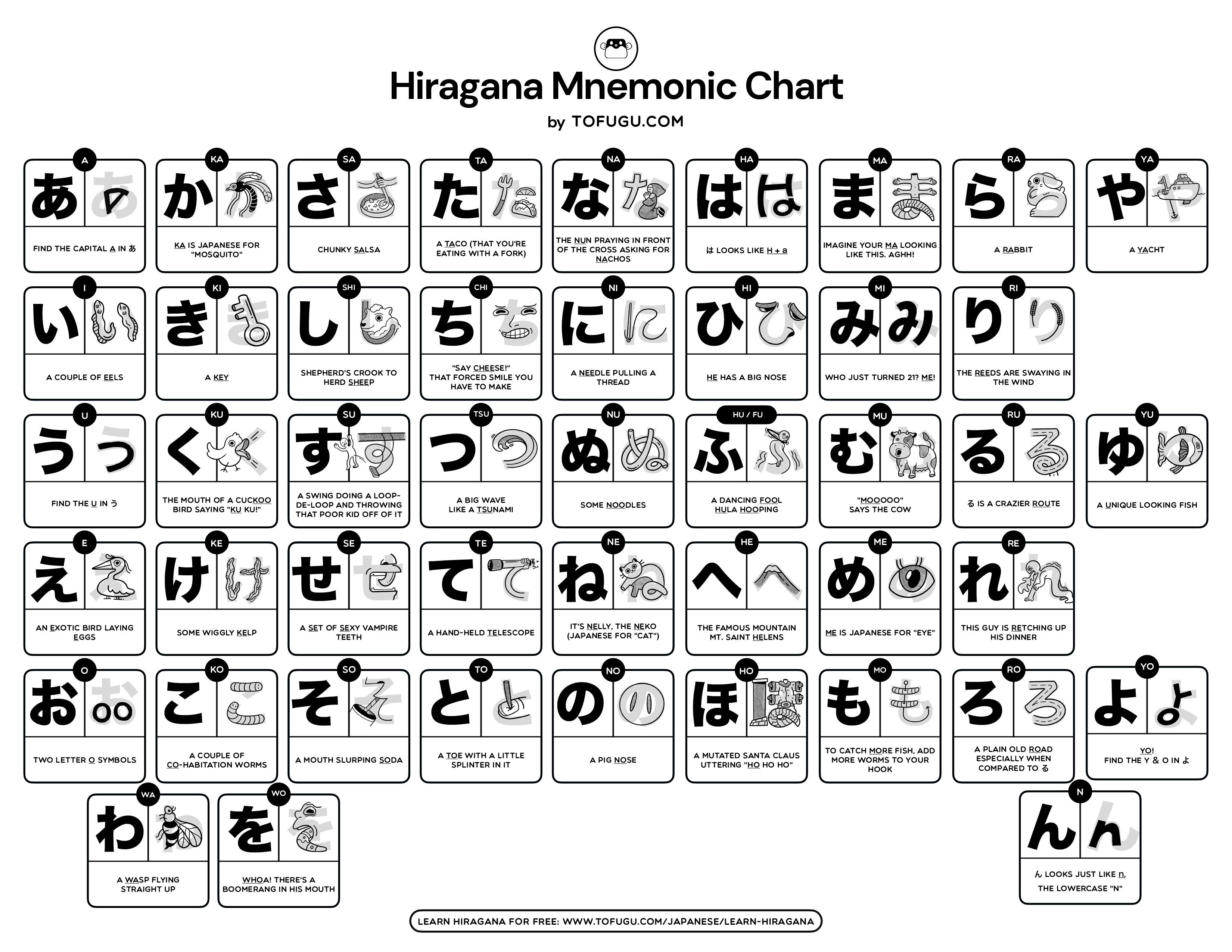
1. Start with Hiragana Chart

Practice writing each character slowly. Use mnemonics or stroke guides. 

Example: ใ‚ (a) looks like an apple with a stem.

Link: hiragana-mnemonic-chart-by-tofugu.jpg (3300×2550)

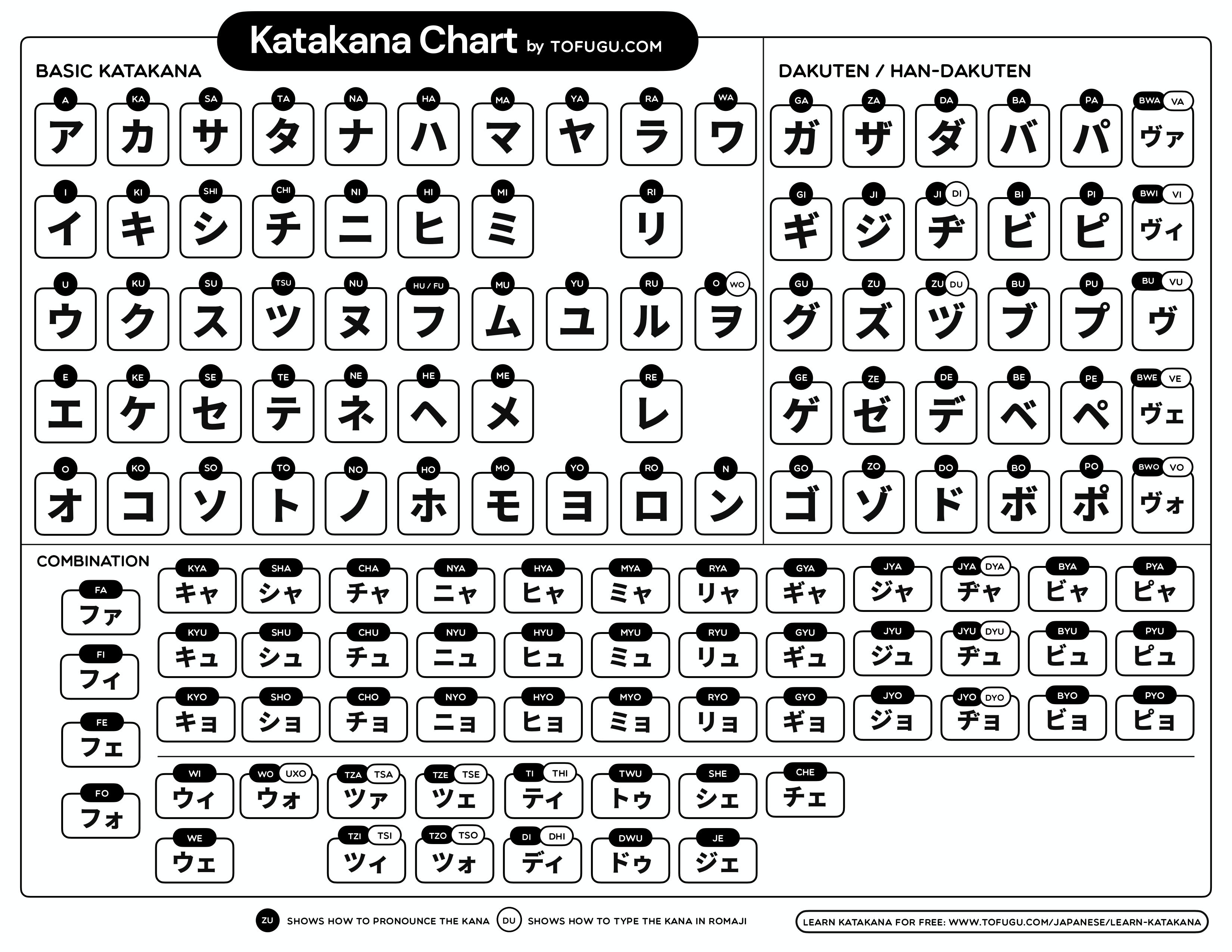
2. Move to Katakana

Focus on pronunciation and recognition. 

Example: ใ‚ข (a) is the katakana version—more angular.


Link: katakana-chart-by-tofugu.jpg (3300×2550)

3. Use Flashcards or Apps

Try apps like LingoDeer, Kana Town, Doulingo, or printable flashcards.

4. Practice with Your Name

Write your name in katakana: ใ‚ธใ‚จใƒƒใ‚ถ (Jiezza)

Jiezza’s gentle reminder: Don’t rush. Hiragana & Katakana isn’t just a hurdle—it’s a ritual. Let your hand memorize the curves. Let your ears fall in love with the sounds. You’re not just learning a script—you’re meeting the soul of the language.

Monday, August 11, 2025

Notes from a Mind That Moves in Spirals

This isn’t a guide. It’s a glimpse—into the loops, the leaps, and the quiet corners of a brain that rarely rests, but always feels.

I used to think I was just lazy. I always prioritized comfort over the tasks I needed to finish. Then I stumbled across a video on Instagram that said people with ADHD often don’t feel the sensation of missing someone. It made me pause. I started thinking about myself—how I move through life, how I feel (or don’t feel), and how I’ve always struggled with certain things.

After watching that video, I couldn’t stop thinking. So, I did what I always do when something hits close to home: I researched. I read articles, watched more videos, and quietly compared the symptoms to my own habits. And the more I learned, the more I saw myself—not in the loud, hyperactive stereotype, but in the quiet, distracted, comfort-seeking patterns I’ve lived with for years.

So, here’s my story. The not-so-glamorous side.

When I was a child, I didn’t think anything was wrong. Most kids hate chores, right? I hated washing dishes at home—but oddly, I enjoyed doing it at my friend’s house or at my relatives’ place. I don’t know why, but our own kitchen always felt heavier. I also hated cleaning. And when I did clean, I’d get distracted by old photos or random things I found in the closet. Finishing chores was always a struggle because my attention would drift. But gardening? That was different.

You’d always find me in the backyard planting vegetables or flowers. I loved the idea of harvesting something and giving food to my family. It made me feel useful. I loved hearing my parents praise me for it. I loved cooking, too. And I felt hurt when someone didn’t eat what I made—even if I knew they just didn’t like vegetables. I know that sounds petty, but it felt personal. Like they were rejecting my effort.

My observations deepened when I moved into the church convent during college. I lived there for six years, sponsored by a priest. I still hated cleaning—unless it was the kitchen or a specific task I was assigned. If you’re wondering what I contributed while living there for free: I painted. I painted all 12 apostles, the Virgin Mary (three times, in different titles), and St. Joseph (twice). I also did t-shirt printing for church events.

But here’s what I noticed: I always delayed starting a painting. And once I started, I struggled to finish. I avoided stress by choosing comfort, but the delay just created more stress. I’d lie awake thinking about when I should start or finish. Sometimes the priest would scold me for the delay. And I knew it was my fault. But I couldn’t help it. My body just wouldn’t cooperate until the tasks piled up and became overwhelming.

That video I mentioned earlier—it hit me. It’s true. I rarely feel like I miss someone, even my family. I adapt easily to new environments. My family lives far from where I work, so I don’t see them often. But I do miss my dog, Coco. We were together for almost four years before I sent him home to my province. I miss him deeply when I think of him. But then I forget I miss him—maybe because of how my brain works. I’m always distracted by everything.

Anyway, this blog is already long, so I’ll stop here and continue another time. Thank you for reading. I hope you found something interesting—or at least familiar—in my story.

See you again, Daydreamers. 

—Jiezza

๐Ÿ’Œ A Note from Jiezza

๐ŸŒผ Keep blooming, even when it’s messy.

๐Ÿงด Baby Oil vs. ๐Ÿฅฅ Virgin Coconut Oil: Which Works Better for Your Scalp?

When it comes to scalp care, not all oils are created equal. Two common options—Johnson’s Baby Oil and Virgin Coconut Oil—offer very differe...